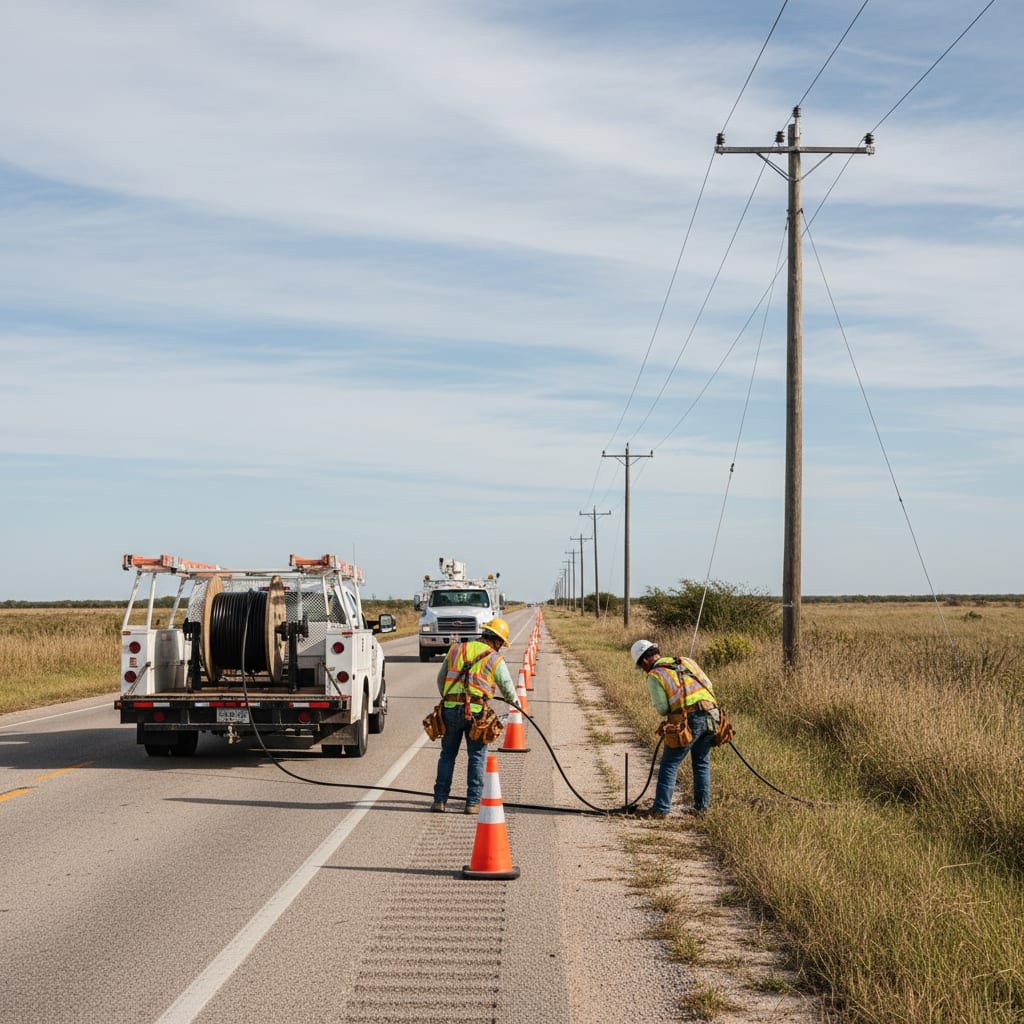
Zayo just reserved a big chunk of Corning's fiber output for the rest of the decade. If you're bidding fiber construction work right now, that move tells you something about where material supply is headed.
The deal is straightforward. Zayo, one of the largest fiber network operators in the country, locked in what it calls a significant portion of the fiber it needs through the end of the 2020s. Corning is the dominant US fiber manufacturer. When a buyer that size reserves supply years out, it's not a hedge. It's a signal.
What Tightening Supply Means for Your Material Costs
Corning's capacity doesn't expand overnight. It takes years and hundreds of millions of dollars to add fiber manufacturing lines. Meanwhile, BEAD deployments are starting to hit construction phase in state after state. Federal money is moving. ISPs are signing build commitments. And now one of the biggest network operators in the country just called dibs on a large slice of available supply.
Smaller buyers sit further down the priority list. That's you, your ISP clients, and the regional carriers you build for. When Corning allocates, Zayo gets served first. Everyone else waits or pays more.
Here's the call you have to make: are you talking to your ISP clients right now about material procurement lead times? If they're planning a BEAD build and haven't secured fiber, the gap between their award date and their construction start just got longer. That gap costs you crew utilization. Crews waiting on materials aren't billing.
Your Backlog Depends on Your Client's Supply Chain
Many telecom contractors don't control fiber procurement. The ISP or subgrantee (the entity receiving state BEAD funds) handles purchasing. But your schedule lives and dies by their delivery dates.
Picture a contractor who wins a solid BEAD contract, with crews ready and permits in hand, and then cable delivery slips. That's overhead without production. DSO climbs. Working capital gets thin. The crew holds.
Ask your ISP clients three questions before you commit crew capacity to a 2026 or 2027 build:
- Do you have fiber on order, and what's the lead time?
- Is your supply locked at a fixed price or subject to market adjustment?
- What's your contingency if delivery slips past the BEAD milestone date?
If they can't answer those three questions clearly, your schedule is built on air.
How to Protect Your Crew Margin When Supply Gets Tight
You have two levers here. First, write material delay provisions into your contracts now, before supply pressure peaks. Define what constitutes a material delay, what notice looks like, and what schedule relief you're entitled to. Second, diversify your client base if you're running more than eight crews. Relying on one ISP client for the bulk of your backlog means their supply chain problem becomes your cash flow problem.
Zayo's deal with Corning isn't the end of available fiber. It's a sign that the players with leverage are using it. If your clients haven't secured supply, they're competing for what's left. Build that reality into how you price, schedule, and contract your 2026 and 2027 work.
The Splice covers material market shifts, contract risk, and cash flow moves for telecom contractors building in the BEAD era. Subscribe below to get it every week.
The contractor who controls their schedule controls their margin. Supply chain is schedule.
Get BEAD updates before the trade press writes them up.
The Splice decodes federal funding intel for crews and ops, not policy folks. Action items, not summaries. One five-minute read a week. Free.
Get this coverage first in Google