Verizon's Visible just launched Visible One, a single plan that puts fiber home internet and mobile service on one bill. That's a business decision, not a product announcement. And it has a direct read-through to your install pipeline.
What Visible One Actually Is
Visible is Verizon's discount wireless brand. It runs on Verizon's network but sells at a lower price point. Visible One is the first plan to pair that mobile service with Visible Fiber, their home broadband product, under one subscription.
The play is convergence. That's the industry term for bundling fixed broadband and wireless together. T-Mobile has done it. Charter's Spectrum does it. Comcast does it. Now Verizon is pushing it down into their value-tier brand.
When a carrier bundles, they need more fiber in the ground to back it up. That's where you come in.
Why Carriers Bundle, and Why It Accelerates Builds
Bundled customers churn less. A customer who cancels one service has to cancel two. That stickiness is worth a lot to a carrier. It's worth enough that they'll spend aggressively to expand the footprint that makes the bundle possible.
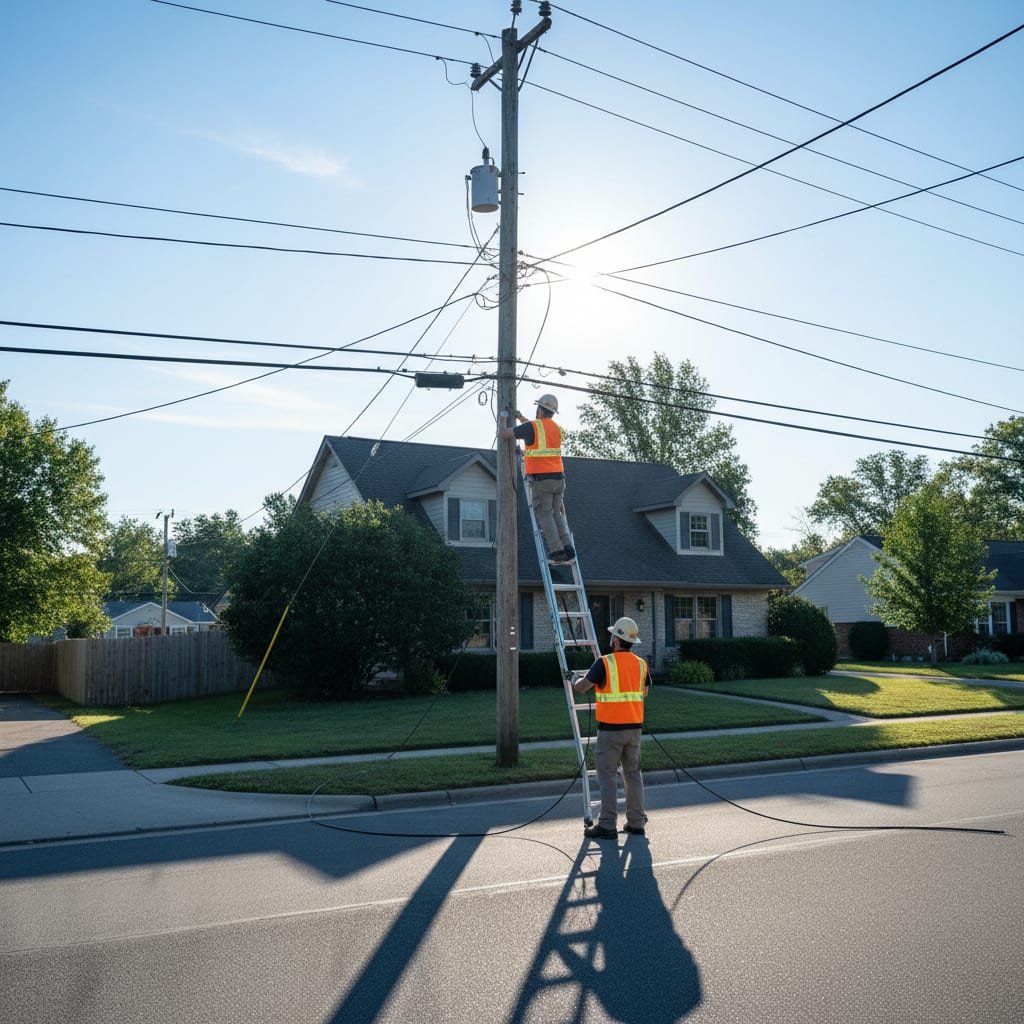
Visible Fiber has to exist somewhere before Visible One can sell there. That means fiber drops, inside wiring, ONT installs, and aerial or underground runs to get fiber to the curb. Every new market Verizon wants to sell Visible One into needs a build crew first.
Regional ISPs can do the same thing on a smaller scale. They announce a bundle, book a wave of install volume, then scramble for crews they don't have under contract. The contractors already in conversation get the work. The ones who wait get the voicemail.
The Call You Have to Make Right Now
Here's the question on your desk this week: which of your current ISP customers are feeling pressure from this bundle trend?
Regional ISPs that compete with Verizon in mid-size markets are watching Visible One. Some will accelerate their own builds to stay competitive. Some will explore their own bundle options with an MVNO partner. Either path requires more fiber in the ground, faster.
If you're doing drop installs or aerial work for a regional ISP in a market where Verizon has or is expanding Visible Fiber coverage, your customer's urgency just went up. That's a conversation to have this week, not next quarter.
If you're not already talking to your ISP contacts about their 2027 build plans, the Visible One launch is a reason to pick up the phone. You're not pitching them. You're asking what they're seeing competitively and whether their build schedule reflects it. Let them tell you they need to move faster.
What This Doesn't Mean
This isn't a guarantee of new work. Verizon runs national builds through large prime contractors. The direct path to Visible Fiber construction work, if you're not already in that chain, is long. Don't chase the Verizon logo. Chase the regional ISPs who are responding to the competitive pressure Verizon just turned up.
Your crew margin comes from operators who need to move fast and can't wait for a national RFP cycle. Regional ISPs under competitive fire are exactly that kind of operator.
The Positioning Move
Convergence bundles compress the timeline between a carrier's marketing announcement and their field execution need. The gap between "we're launching a bundle" and "we need 200 drops completed by Q1" can be as short as 90 days.
Get in front of your ISP contacts now. Ask what competitive pressure they're feeling. Ask whether their build schedule matches the pace their marketing team is setting. Those two questions open a real conversation about capacity, which is the conversation where you get work.
This issue of The Splice tracks the funding, competitive moves, and contractor-level decisions shaping the fiber build market. Subscribe below to get it every week.
The carriers announce the bundle. The contractors who were already in the room get the build.
Get BEAD updates before the trade press writes them up.
The Splice decodes federal funding intel for crews and ops, not policy folks. Action items, not summaries. One five-minute read a week. Free.
Get this coverage first in Google