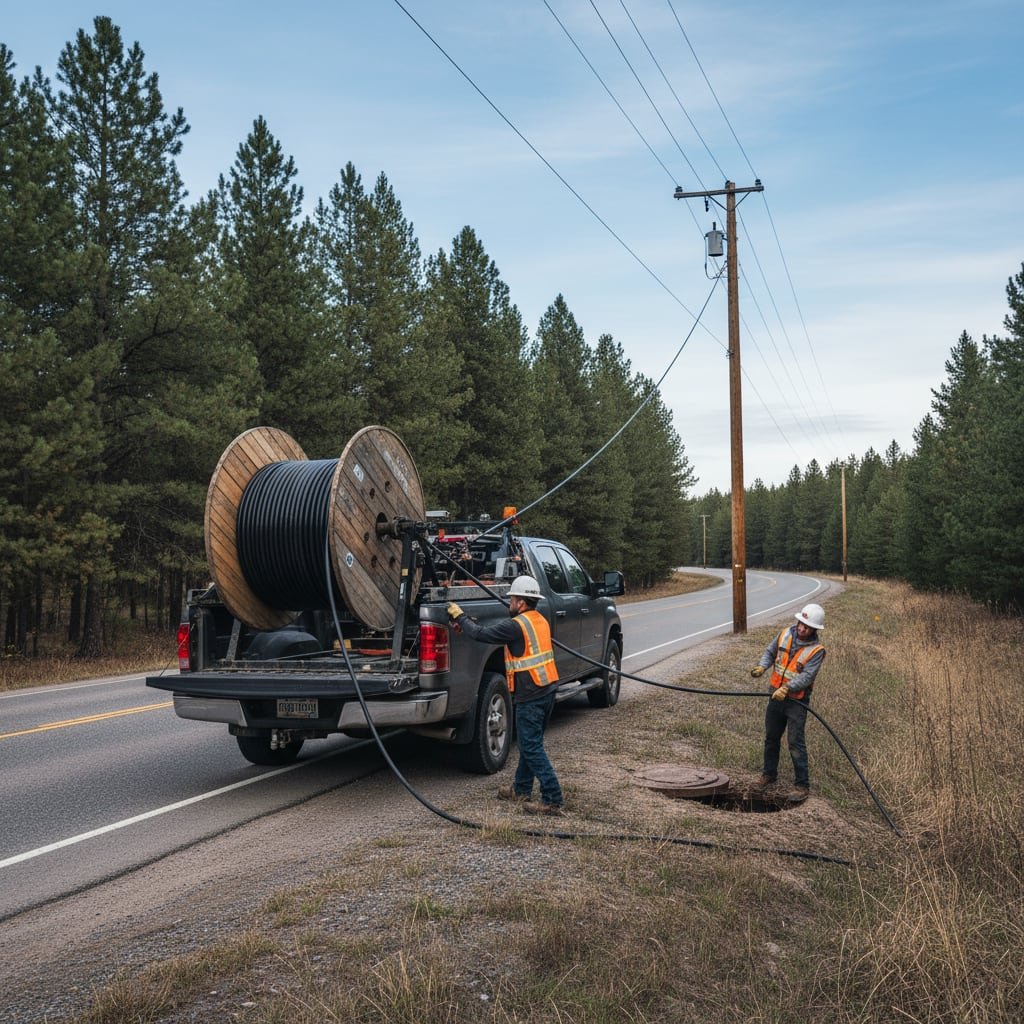
Private capital is buying up regional ISPs one at a time. Vero Fiber's acquisition of MontanaSky is the latest move in a string of deals. If you're running crews in markets where smaller ISPs are your primary customers, this matters to your backlog right now.
What's Actually Happening in the Market
Vero Fiber has been on an acquisition run, folding smaller regional fiber providers into a single platform. MontanaSky is the newest addition. The pattern is clear: private equity sees fragmented regional ISPs as a roll-up opportunity, and they're moving fast.
These aren't distressed deals. Regional ISPs with real customer bases and active build programs are the targets. That tells you something about where the capital thinks fiber still has room to run.
What a Roll-Up Does to Your Customer Relationship
Here's the call you have to make. When a regional ISP you've worked with for years gets absorbed into a larger platform, a few things happen in order.
First, procurement gets centralized. The ops manager who called you directly gets replaced by a vendor approval process. Your handshake relationship doesn't transfer automatically. You have to re-qualify, sometimes from scratch.
Second, build priorities shift. The new parent company decides which markets to accelerate and which to slow down. Your backlog tied to that ISP can shrink or stretch depending on decisions made in a boardroom you're not in.
Third, rates get reviewed. Consolidated platforms negotiate. They compare what they're paying contractors across all their markets and compress toward a number that works for their model. If you've been running on informal agreements, that's the moment they come back to bite you.
The Contractors Who Come Out Ahead
I've seen this play out before. The contractors who hold their ground through a roll-up are the ones who documented everything before the deal closed.
That means written scopes on every active job. Signed change orders. A clear record of your production rates and crew counts. When the new parent's operations team comes in to audit the build program, you want a folder, not a memory.
It also means relationships at more than one level of the ISP. If your only contact is the construction manager and they leave post-acquisition, you're starting over. Know the VP of engineering. Know the CFO's name. Show up at the quarterly business reviews when you're invited.
And it means your financials are clean. Consolidated operators look at contractor financials before they lock in long-term build agreements. If your AR aging is a mess and your WIP schedule doesn't reconcile, you look like a risk. That's the wrong impression to make when a new owner is deciding which contractors stay on the approved list.
Montana Isn't the Only Market to Watch
The MontanaSky deal is in Montana, but the dynamic is playing out across the country. Any regional ISP in your market with private equity backing is a potential acquisition target. That includes RDOF winners who are behind on builds, BEAD subgrantees who need capital to scale, and small telcos that took on more territory than they can finance alone.
Watch the trade press. When you see an ISP you work with get acquired, don't wait for them to call you. Call them. Get in front of the transition team early. That's how you stay on the approved contractor list instead of getting discovered later by someone who already has a preferred vendor.
This wave of consolidation isn't slowing down. The question on your desk this week is whether your customer list is diversified enough that losing one ISP relationship to a bad transition doesn't crater your Q1.
If the answer is no, that's the thing to fix first.
The Splice covers the business of running a telecom contracting operation, from customer concentration to cash flow. Subscribe below to get it in your inbox every week.
The contractors who survive consolidation aren't the ones with the best crews. They're the ones with the best paperwork.
Get BEAD updates before the trade press writes them up.
The Splice decodes federal funding intel for crews and ops, not policy folks. Action items, not summaries. One five-minute read a week. Free.
Get this coverage first in Google