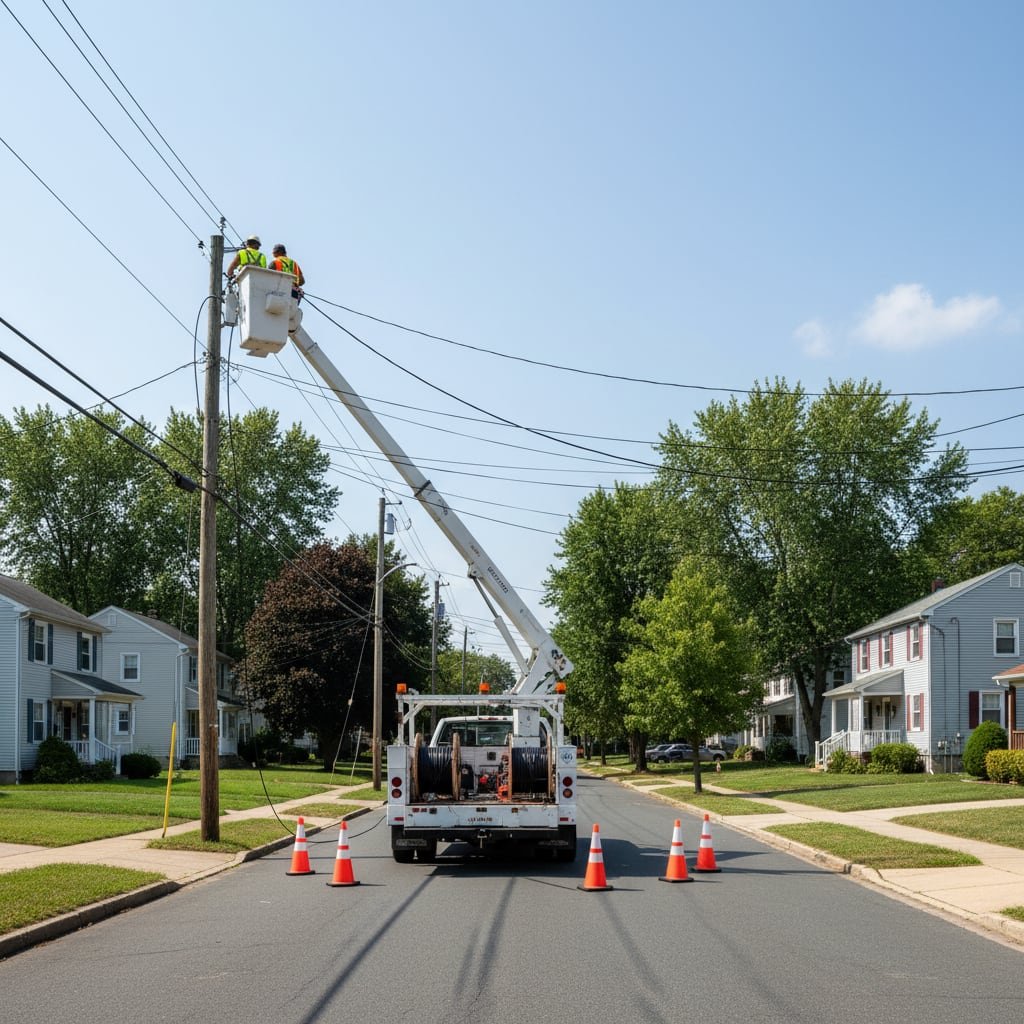
Two FTTH builds just went active. Vero Fiber kicked off Phase 2 of their Eureka fiber-to-the-home project this month. GoNetspeed broke ground in Parlin, New Jersey. Both moves signal contractor work on the table right now, not next quarter.
What These Builds Mean for Your Pipeline
When an ISP starts a named phase of a build, crews are already on the ground or weeks away from being on the ground. If you're not already in conversation with their construction team, you're behind. That's the honest read.
Vero Fiber's Phase 2 in Eureka tells you one thing clearly: they closed out Phase 1 well enough to fund the next push. ISPs that move from phase to phase without a long pause are the ones worth chasing. They have capital, they have a plan, and they need crews who can execute.
GoNetspeed starting construction in Parlin, New Jersey is a separate opportunity. New Jersey has dense housing, permitting that can drag, and a shortage of aerial and underground crews who know how to work tight suburban routes. If you run crews in the mid-Atlantic region, this build is worth a direct call to their construction management team this week.
How to Get In Front of Active Builders
Here's the call you have to make. Do you wait for a bid request to land in your inbox, or do you go find the construction manager and introduce your crew capacity before they've finalized their contractor list?
To win new ISP relationships, call the network construction or outside plant team directly. Lead with capacity, geography, and relevant projects you've completed in similar terrain. Don't pitch. Make it easy for the ISP to say yes.
A specific move: look up Vero Fiber's and GoNetspeed's LinkedIn pages. Find the director of network construction or VP of outside plant. Send a short message. Name your crew count, your work type (aerial, underground, drop installation), and your service territory. Ask if they have a preferred contractor list and how to get on it. That's it. Three sentences.
The Bigger Pattern to Watch
August 2026 FTTH construction activity is running across multiple ISPs at once. That's not a coincidence. A lot of the capital that was locked up in BEAD (the Broadband Equity, Access, and Deployment program, the $42.5 billion federal broadband fund) delays has pushed ISPs to move faster on their privately funded builds while they wait for state programs to settle.
That creates a window. Private ISP builds don't carry BEAD compliance overhead: no BEAD Buy America documentation and no quarterly reporting to a state broadband office. You quote the work, you build the work, you invoice the work. Cash moves faster.
Private ISP builds can keep your crews busy during BEAD's slow periods. Your DSO on private ISP work is typically shorter than on publicly funded projects too, which matters when you're managing working capital across a large crew count.
What to Do Before Monday
Pull up Vero Fiber and GoNetspeed. Find out who runs their outside plant construction. Make contact this week while the builds are in early stages. Early-stage is when contractor slots are still open.
If you already sub to a general contractor on ISP work and you're not getting direct ISP relationships, this is the right moment to ask why. Direct relationships mean better margins and faster payment terms.
The Splice tracks active ISP builds and BEAD program movement every week. Subscribe below so you don't find out about a live build two months after the contractor list closed.
The contractors who win new ISP relationships don't wait for bid requests. They call before the list is full.
Get BEAD updates before the trade press writes them up.
The Splice decodes federal funding intel for crews and ops, not policy folks. Action items, not summaries. One five-minute read a week. Free.
Get this coverage first in Google