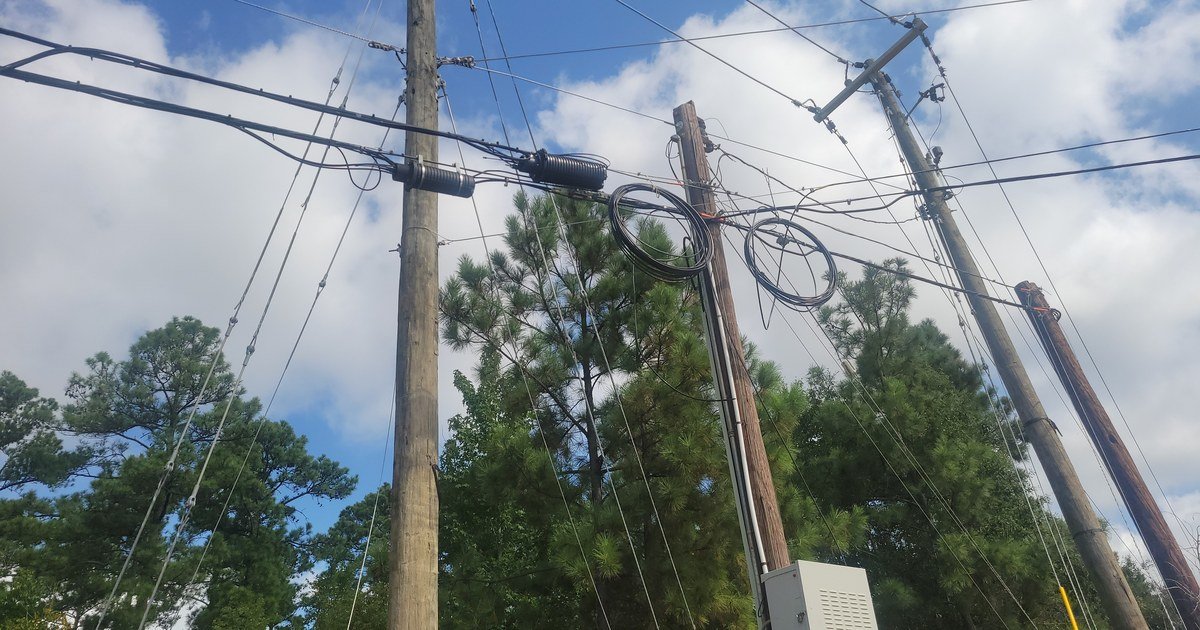
The House couldn't move a broadband permitting bill. Now the NCTA is lobbying Senate committee leaders to fold permitting reform into whatever package the Senate can pass. For telecom contractors waiting on right-of-way approvals, this is not background noise. It is a direct threat to your project timeline and your crew utilization this year.
Why Permitting Delays Hit Your Crew Margin First
Permit delays don't just push a start date. They strand your crew. A crew standing by for a federal or state ROW approval is a crew you are still paying. Foremen sitting idle burn payroll. Trucks burn lease payments. Your WIP balance climbs while billable footage stays flat.
The NCTA, which is the trade group representing cable and broadband providers, wants Congress to streamline how federal agencies process right-of-way permits for broadband builds. Easier permits mean faster mobilization for the ISPs hiring you. Stalled reform means more of the same: unpredictable lag between contract award and first day on the ground.
The House effort is stalled and the Senate is now the active front. No firm timeline has been set, which is exactly the problem if you are trying to schedule crews against a permit window.
The Senate Is the Last Realistic Window This Year
Congress moves in cycles tied to budget reconciliation and recess schedules. As of August 2026, the Senate is the only plausible vehicle for permitting reform before the end of this legislative session. If Senate committee leaders don't attach broadband permitting language to a larger package in the next few months, this issue likely rolls to 2027 at the earliest.
That matters for your pipeline. BEAD buildout, which is the $42.5 billion federal program funding last-mile broadband deployment, is already slow in most states. Federal permitting friction is one reason. If reform passes, expect ISP partners to accelerate mobilization. If it stalls again, project starts that were penciled in for Q1 2027 slip further.
Here Is the Call You Have to Make Right Now
Do not wait for Senate action to plan your capacity. Here is what that looks like practically.
- Talk to your ISP contacts this week about which projects are permit-dependent. Get a realistic mobilization window, not the optimistic one.
- Check your backlog against two scenarios: reform passes and work accelerates in Q1 2027, or reform stalls and your pipeline stays thin through mid-year.
- If your AR is already stretched because of slow project starts, look at your DSO now. Invoices aging past 45 days on stalled projects compound fast when new work is also delayed.
- Stay in contact with your state broadband office. Some state-level permitting improvements are happening independent of federal action. Those projects may move faster.
What You Can Do While Washington Figures This Out
I have seen contractors lose six months of crew utilization waiting on permit timelines they had no visibility into. The ones who stayed whole kept two or three ISP relationships warm across different project types, so when one permit track stalled they had somewhere to redirect labor.
Broadband permitting reform would help the whole industry. But your business cannot run on legislative hope. Diversify your project mix now. And if you have any capacity to engage directly with your ISP contacts on their permit status, do it. They may not volunteer the delay until it is already costing you.
The Splice covers these policy moves weekly because they have direct effects on contractor cash flow, crew scheduling, and pipeline planning. If you are not already subscribed, the full breakdown lands in your inbox every week.
The contractors who survive permitting delays are the ones who stopped waiting and started planning for both scenarios.
Get BEAD updates before the trade press writes them up.
The Splice decodes federal funding intel for crews and ops, not policy folks. Action items, not summaries. One five-minute read a week. Free.
Get this coverage first in Google