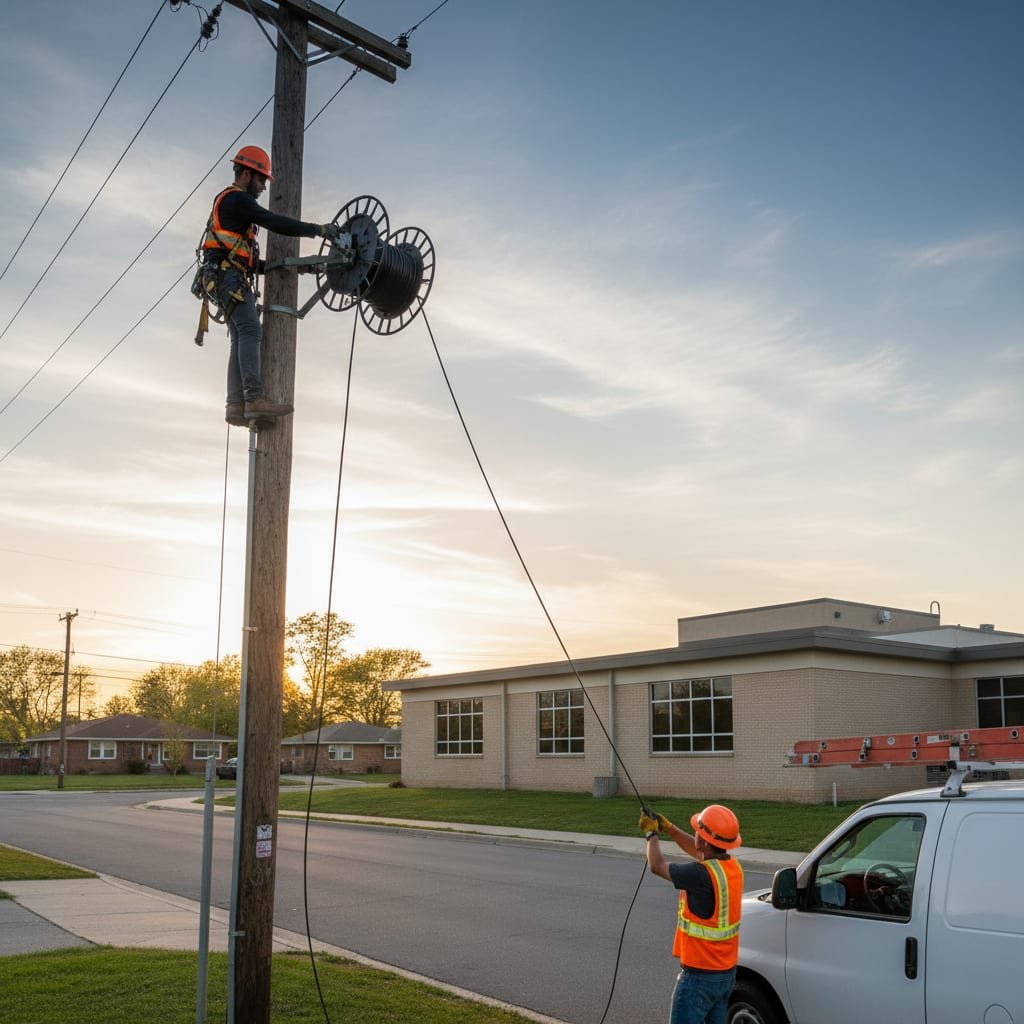
NTIA is planning to take new applications for reinstated broadband adoption funding in December. If you've been waiting on digital equity work to come back, the window is opening. The question on your desk right now is whether you'll be positioned when it does.
What Got Paused and Why It Matters to Your Backlog
Earlier this year, a legal challenge froze the Digital Equity Act funding. Courts put that lawsuit on hold pending a new funding notice from NTIA, the National Telecommunications and Information Administration, the federal agency that administers BEAD and other federal broadband grant programs. Now NTIA says it's planning to publish that notice and reopen applications in December 2026.
That matters to you because the ISPs and state agencies that were counting on Digital Equity dollars to fund device programs, digital skills training, and adoption outreach were also counting on contractors to do the physical work attached to those programs. Drop installs, last-mile extensions, community anchor connections. That work stalled. It didn't disappear.
December Is Closer Than It Sounds
August 19 to December is roughly 16 weeks. That's not a long runway if your regional ISP customers haven't started their applications yet. Subgrantees, meaning the state agencies and ISPs that receive federal dollars and then push work to contractors, can take months to prepare a compliant application. If December is the open window, their paperwork season starts now.
Here's the call you have to make: do you wait for the phone to ring, or do you call your three best ISP contacts this week and ask whether they're filing?
I've seen this play out with BEAD, with RDOF, and with state broadband programs. The contractors who got early work weren't always the biggest. They were the ones in the room when the ISP was figuring out scope. That positioning happens in the 90 days before an award, not after.
What You Don't Know Yet (And What to Do About It)
The specific dollar amounts NTIA will make available in this reinstated round aren't confirmed in the notice yet. The December timeline is NTIA's stated plan, not a locked date. Programs shift. Courts can still intervene.
What you can do right now doesn't depend on any of those unknowns. Pull your customer list. Identify which of your ISP contacts serve community anchor institutions, libraries, schools, health clinics. Those are the organizations that digital equity programs fund. If your customers serve those anchors, they're likely eligible to apply. That's your conversation starter.
Ask them: "Are you tracking the NTIA digital equity application window for December?" That one question tells you which customers are paying attention and which ones need a nudge. It also puts you on record as the contractor who's watching the calendar.
How This Connects to Your Cash Flow, Not Just Your Backlog
Digital equity work tends to come in smaller project chunks compared to a full BEAD build. Shorter timelines, tighter scopes. That can actually be good for your working capital. You're turning invoices faster, pulling DSO down, not waiting 18 months on a large state grant cycle to produce a single check.
If you've got a crew or two running lean right now, a digital equity project pipeline could bridge you to the larger BEAD construction wave without burning through your line of credit.
Watch the NTIA Notice Date, Then Move Fast
When NTIA publishes the new funding notice, your ISP customers will have a defined application window. That window is usually short. 30 to 60 days is common. Your value to them in that window is scope clarity: what does the physical plant work cost, how many drops, how many aerial versus underground runs, what's the crew schedule.
You can build that cost framework now, before the notice drops, so you can hand a customer a number in 48 hours instead of two weeks.
The Splice covers every NTIA funding move as it happens. Subscribe to stay ahead of the application windows.
The contractors who get early work aren't always the biggest. They're the ones in the room when the ISP is figuring out scope.
Get BEAD updates before the trade press writes them up.
The Splice decodes federal funding intel for crews and ops, not policy folks. Action items, not summaries. One five-minute read a week. Free.
Get this coverage first in Google