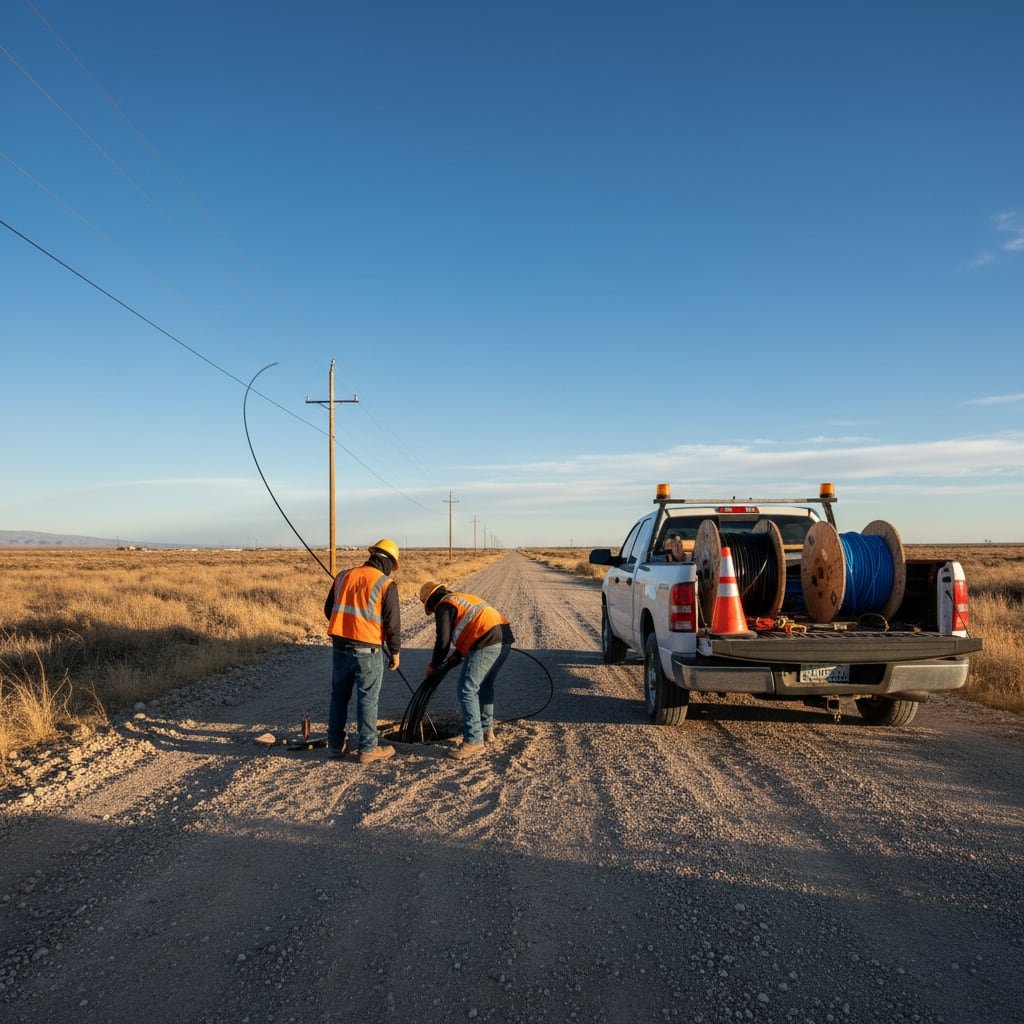
Construction started July 29 on a fiber broadband project at Laguna Pueblo in New Mexico. It's the state's largest active broadband grant project right now, and it's funded by two state broadband office grants plus tribal money. If you're a telecom contractor watching where work is moving, New Mexico is sending a clear signal.
What's Actually Happening on the Ground
The Laguna Pueblo project broke ground on July 29, 2026. The funding comes from two New Mexico state broadband office grants stacked with Pueblo dollars. The goal is fiber infrastructure for tribal members who don't have high-speed internet access today.
The scale matters. New Mexico called this the largest active broadband grant project in the state. That's not a small job. That's crew-months of work, materials on order, and a construction window that's open right now.
The full dollar figure and the name of the lead contractor weren't released in the announcement. That's worth noting. When project details stay thin at announcement, the subcontracting tier often fills in fast over the next 30 to 60 days as the prime starts building its crew plan.
Tribal Broadband Is a Real Pipeline, Not a Niche
Tribal broadband construction is one of the most active segments in the country right now. Federal money through the BEAD program (Broadband Equity, Access, and Deployment, the $42.45 billion NTIA initiative) prioritizes unserved and underserved locations. Tribal lands hit both categories almost by definition.
New Mexico has 23 federally recognized tribes and pueblos. Laguna Pueblo is one project. Watch for more to follow the same funding pattern: state broadband office grants stacked with tribal dollars, then federal BEAD money as states move from planning into deployment.
Here is the call you have to make. If you're not already talking to primes working tribal land in New Mexico, Arizona, or the surrounding states, you're reading about jobs you could be on.
How to Position Your Crew for This Work
Tribal projects come with requirements that catch contractors off guard. Tribal Employment Rights Ordinances, called TEROs, can require you to prioritize tribal member hiring. Some pueblos and nations have their own licensing and permitting layers that sit on top of state requirements. Environmental and cultural resource review timelines run longer than standard right-of-way work.
None of that makes it a bad job. It makes it a job where preparation separates the contractors who win from the ones who bid and lose. I've seen contractors walk away from tribal work after one bad experience because they didn't know what they were agreeing to. I've also seen crews build a durable pipeline off tribal relationships that kept them busy through slow quarters.
Three things to do this week:
- Find out who the prime is on the Laguna Pueblo project. The New Mexico broadband office or Telecompetitor's coverage should surface that name soon.
- Pull your TERO compliance checklist. If you don't have one, build one before you call the prime.
- Check your COI language. Tribal land sometimes requires additional insured language that standard telecom COIs don't include.
New Mexico Is Building Momentum You Can Chase
New Mexico's broadband office is active. This project is the largest in the state right now, but it won't be the last. State offices that get one large project to construction tend to move the next one faster because the process is familiar. The BEAD deployment window is open. The funding is stacked. The construction has started.
Your AR aging report doesn't care whether the work is tribal or commercial. Crew margin is crew margin. The question is whether you're positioned when the next award announcement drops.
If you want The Splice's breakdown of New Mexico's BEAD timeline and which project types are moving fastest, subscribe below.
The contractors who win tribal broadband work aren't luckier. They're more prepared.
Get BEAD updates before the trade press writes them up.
The Splice decodes federal funding intel for crews and ops, not policy folks. Action items, not summaries. One five-minute read a week. Free.
Get this coverage first in Google