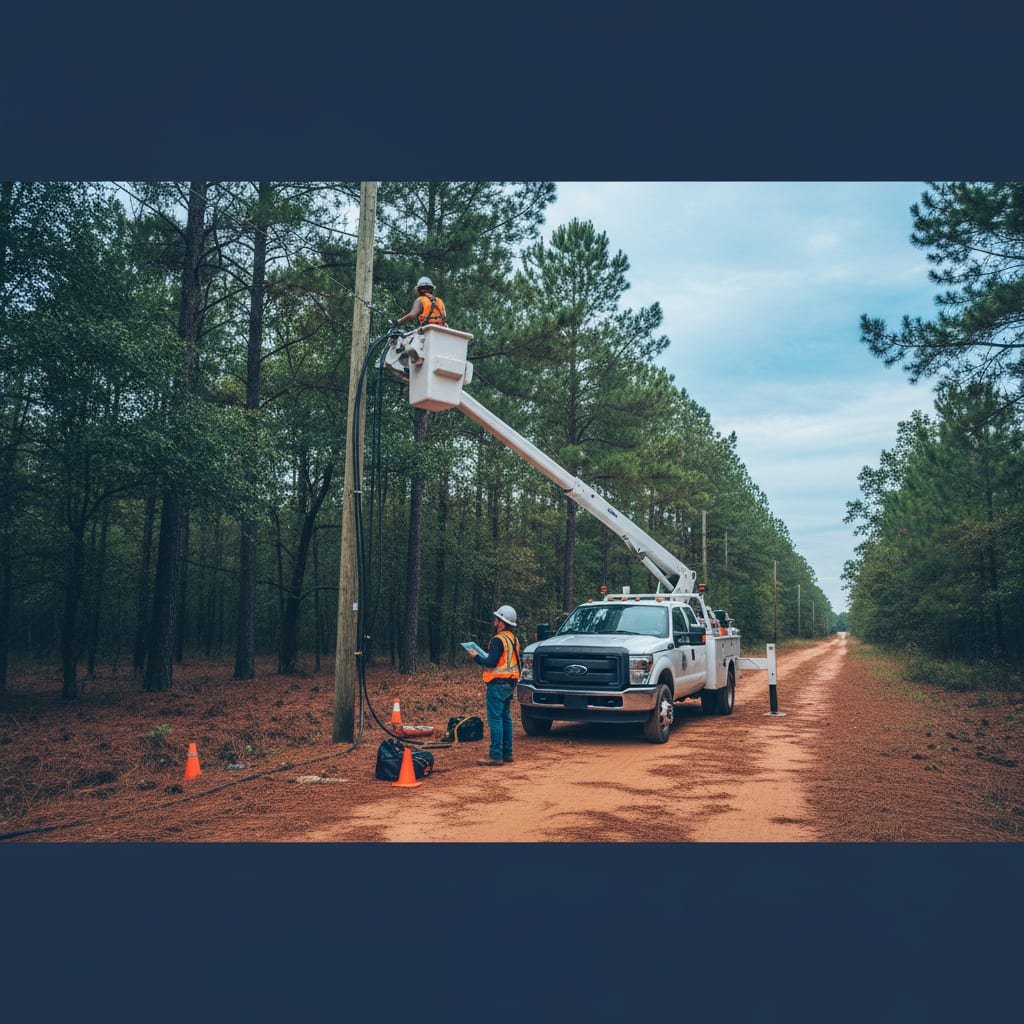
The FCC just told AT&T and Duke Energy to work it out themselves. The agency declined to rule on their pole attachment dispute and ordered both companies into arbitration. If you're running aerial builds in Duke territory, that decision has a direct line to your schedule.
What the AT&T-Duke Fight Is Actually About
Pole attachment disputes come down to one thing: who controls access to the poles, and on what terms. AT&T wants to attach equipment. Duke controls the poles. When those two parties disagree on rates, timing, or make-ready work, the crews waiting on permits and pole clearances are the ones who feel it first.
The FCC has authority to step in and set the terms. This time, they chose not to. They sent both companies to arbitration instead, which means a private process decides the outcome, not a federal order with a hard deadline.
Arbitration Means a Longer Clock for Aerial Contractors
Here's the practical read. Arbitration doesn't move fast. There's no published timeline, no docket you can track, and no ruling that lands with a date you can build a schedule around.
If your pipeline includes aerial work in Duke Energy service territory, you're looking at a resolution that arrives on its own schedule. That could be months. It could stretch longer. I've seen these processes drag well past what either party expected at the start.
The make-ready queue doesn't pause while the lawyers negotiate. But your ISP customer may slow-roll permit applications in affected areas while the outcome is unclear. That's the gap that kills your crew utilization without anyone making a visible decision.
The Call You Have to Make Right Now
Two questions belong on your desk this week.
- Do you have aerial jobs scoped in Duke Energy territory that depend on pole access AT&T is contesting?
- Is your ISP customer aware this dispute could affect their make-ready timeline?
If the answer to the first question is yes, get that conversation started now. Don't wait for the arbitration outcome to surface through your ISP's project manager. By the time it shows up on a call, you've already lost weeks.
If you're not in Duke territory, this case still sets a pattern worth watching. The FCC choosing arbitration over a direct ruling signals they're comfortable letting private processes handle pole disputes for now. That's a posture that could show up again in your region with a different utility and a different carrier.
What to Watch Next
There's no published arbitration schedule from this case. What you can do is watch the FCC's docket for any follow-on filings and keep a direct line open to your ISP contacts in Duke service areas. If make-ready timelines start slipping on your active jobs, the AT&T-Duke dispute is a reasonable place to look for the cause.
Aerial builds live and die on pole clearance timing. The FCC just handed that timing to a private arbitration process. Plan your pipeline accordingly.
If you want a sharper read on how regulatory disputes like this affect your crew margins and working capital, The Splice covers it every week. Subscribe below.
Pole access is a production constraint. Treat it like one before it shows up in your AR aging.
Get BEAD updates before the trade press writes them up.
The Splice decodes federal funding intel for crews and ops, not policy folks. Action items, not summaries. One five-minute read a week. Free.
Get this coverage first in Google