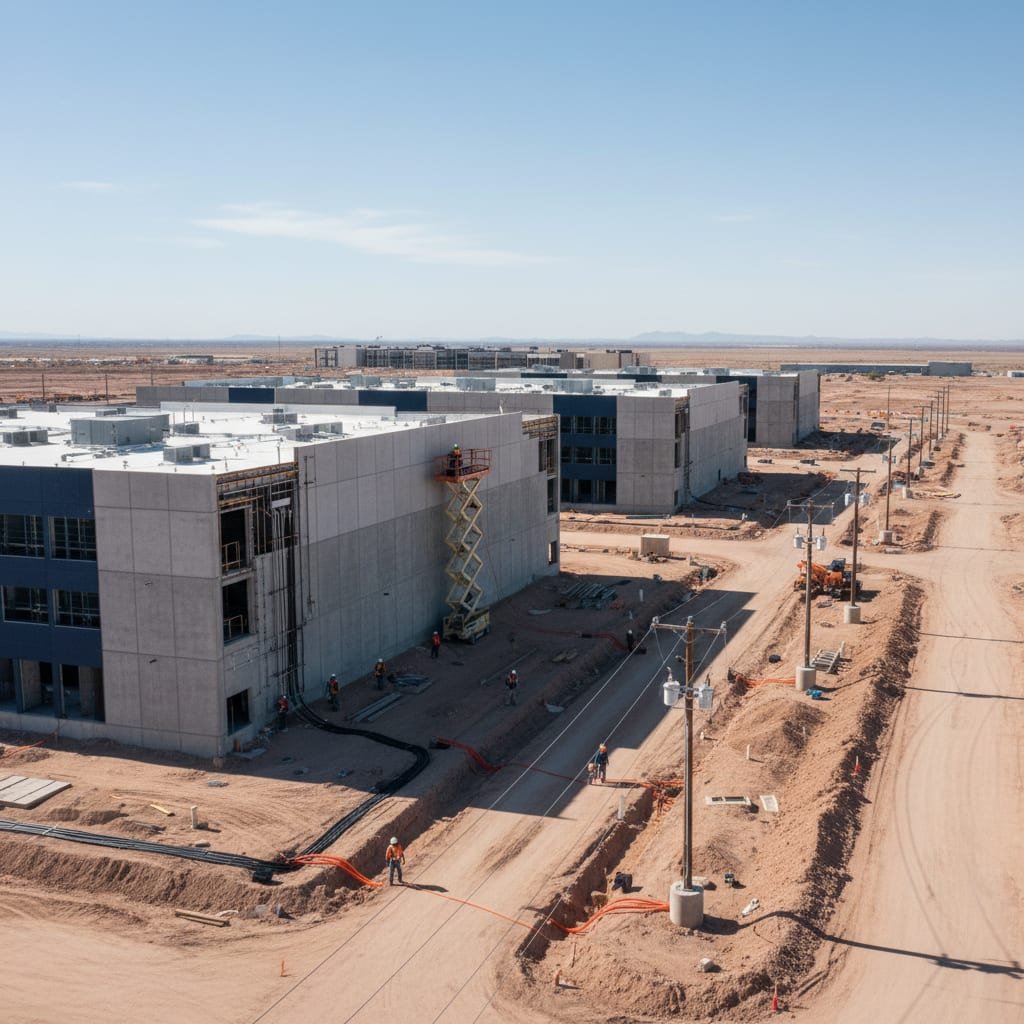
AI data centers are being built at a pace the fiber industry has not seen before. If you run crews that pull fiber, the question is not whether this work exists. The question is whether you are in the conversation when the contracts get cut.
What Is Actually Happening on the Ground
The Fiber Broadband Association reported in early June 2026 that AI data center construction is pushing fiber demand sharply higher. Facilities housing hundreds of thousands of GPUs require fiber packed into servers, racks, buildings, and site networks at volumes that dwarf a typical ISP deployment.
A new class of data center operators, sometimes called neoclouds, is building these facilities specifically to rent GPU compute time. They need fiber fast. They need it dense. And they are spending heavily to get it.
The source article body was not available for full detail. The Fiber Broadband Association excerpt is the primary basis for this piece. Specific dollar figures and named operators were not provided in the source.
Why This Matters for Your Crew Margin
BEAD is slow. State programs are still working through subgrantee selection. The federal buildout you planned your 2026 capacity around may not generate invoices until 2027 or later.
AI data center work is moving on a different clock. These are private projects with private capital. No federal approval chain. No Notice to Proceed waiting on a state broadband office. When a neocloud breaks ground, they need fiber crews now.
Here is the call you have to make: do you keep waiting on BEAD pipeline to materialize, or do you put one business development conversation toward a data center general contractor this quarter?
I have seen contractors assume all fiber work looks the same. It does not. Data center pulls involve high-density fiber in conditioned space, strict bend radius requirements, and zero tolerance for rework. If your crews have inside plant experience, you may already qualify. If they are outside plant only, there is a learning curve worth planning for.
Where the Work Actually Comes From
You will not find this work on a bid board. Data center GCs and fiber systems integrators run preferred vendor lists. The path in is a direct conversation, a COI on file, and a reference from someone who has already done a job with them.
Start with the GC layer. Large data center construction projects in your region will have a general contractor managing the build. That GC has a low-voltage or structured cabling subcontractor. That subcontractor is your first call, not the data center owner.
Look at states where data center construction is active. Texas, Virginia, Ohio, Indiana, Georgia, and Arizona have seen concentrated activity. If you operate in those markets, the work is likely closer than you think.
What to Have Ready Before You Make the Call
Before you reach out to a GC or fiber integrator, have three things in order. First, a one-page capability statement that lists crew count, fiber experience type, and geographic range. Second, current COI with limits that match commercial construction requirements, typically $2M general liability minimum. Third, at least one reference job you can name with a contact.
The conversation goes faster than you expect when you walk in prepared. It stalls when you show up asking them to explain what they need.
The Honest Caveat
Not every contractor running outside plant crews for ISPs is set up for data center work today. The work type is different. The quality standards are tighter. The schedule pressure is real.
But if you have inside plant experience or crews willing to train, this is worth one qualified conversation this quarter. The demand is not speculative. The buildings are going up. The fiber has to go in.
Subscribe to The Splice for weekly breakdowns on where fiber work is moving and what it means for your back office and crew utilization.
The contractors who get data center work in 2026 are the ones who made the call before the contract was posted.
Get BEAD updates before the trade press writes them up.
The Splice decodes federal funding intel for crews and ops, not policy folks. Action items, not summaries. One five-minute read a week. Free.
Get this coverage first in Google