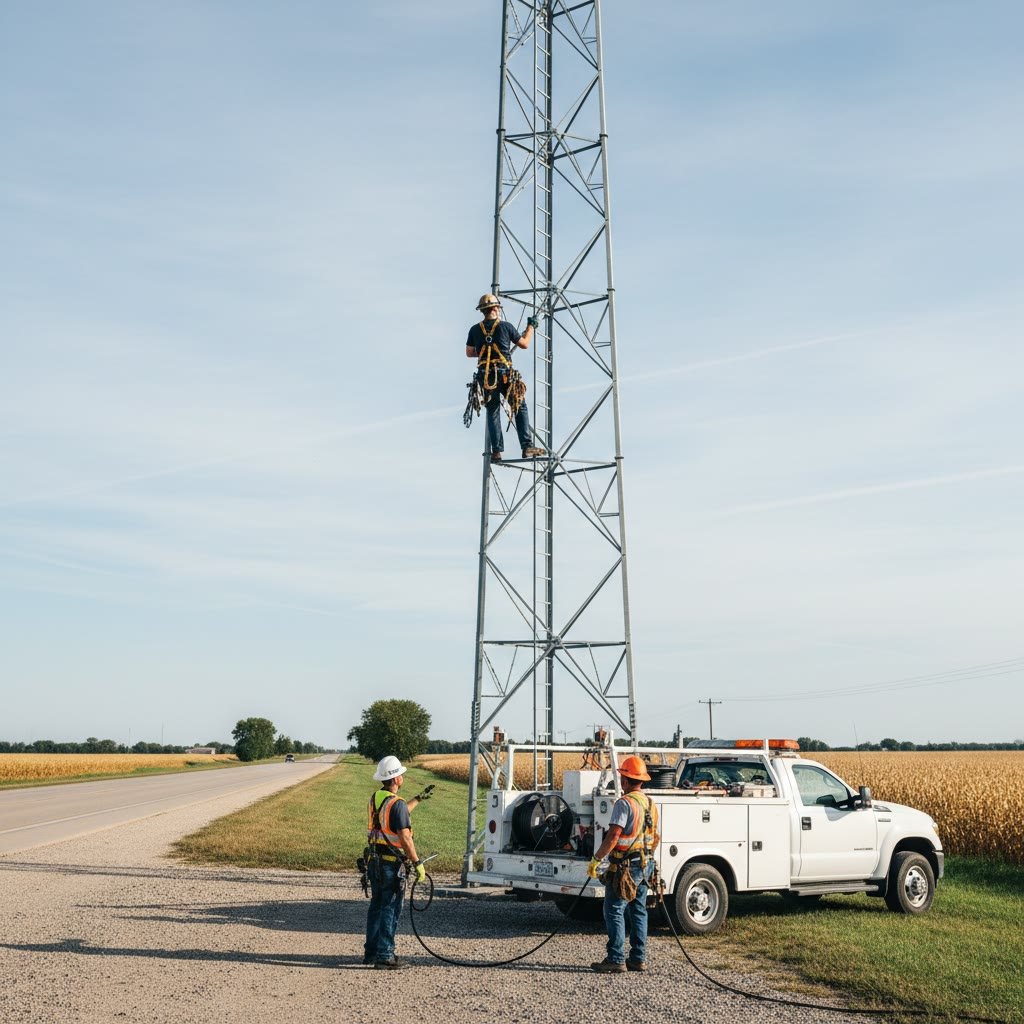
FCC Chairman Brendan Carr has called a vote for September 30 on a package of NEPA permitting reforms. If it passes, more than 14,800 wireless deployments get pulled off the federal review checklist overnight.
What the FCC Is Actually Voting On
NEPA stands for the National Environmental Policy Act. It's the federal law that requires agencies to review environmental impacts before approving certain projects. For broadband builds, NEPA review has been a permit-delay machine for years.
The FCC's proposed Order would redefine what counts as a "major Federal action," which is the legal threshold that triggers the review process. Narrowing that definition means fewer projects have to go through the checklist at all.
The Order would also streamline categorical exclusions, environmental assessments, and full impact statements. On top of that, a Further Notice would open public comment on how the National Historic Preservation Act applies to spectrum licensing reviews.
A January 2026 report from NERA Economic Consulting, prepared for CTIA, put the cost of the old rules at more than $2.2 billion in direct compliance costs between 2025 and 2035. Lost economic activity over that same window: at least $7.5 billion.
What This Means for Your Build Schedule
You don't file NEPA paperwork yourself. Your ISP clients do. But permit delays hit your schedule just as hard as theirs.
When a wireless deployment stalls in environmental review, your crew sits. Your equipment idles. Your scheduled start date slips two to four weeks, sometimes longer. That gap costs you real crew margin on a job you've already priced and staffed.
If this Order passes on September 30, the 14,800-plus deployments exempted from NEPA review don't disappear. They move forward. That's a direct input into the project pipeline your ISP clients can offer you heading into 2027.
The call you have to make right now: are your ISP clients holding back RFPs or bid packages because they're waiting on permit approvals? If yes, this vote is worth a short conversation with your primary contacts this week. Ask them which projects get freed up if the FCC vote goes through. Get in front of that work before another telecom contractor does.
The Senate Bill Running Parallel
The FCC vote isn't the only thing moving. In July 2026, the Senate Commerce Committee advanced the Accelerating Broadband Permits Act, sponsored by Senator John Thune of South Dakota. That bill passed committee but still needs a full Senate vote, then the House. It's not law yet.
The FCC vote is the near-term action. It doesn't require Congress. Chairman Carr has the votes he needs to call the meeting. A public draft of the Order is expected on the FCC website before September 30.
Don't Wait for the Ink to Dry
Policy votes like this one move fast and then sit. The vote happens, the Order gets published, and the clients who were ready capitalize in the first 60 days. The contractors who were ready alongside them get the work.
Watch for the FCC to post the draft Order publicly before the meeting. When it drops, look specifically at the updated "major Federal action" definition and which deployment types fall outside it. That list tells you which project categories your clients can green-light faster.
Your ISP contacts are watching this too. Be the contractor who already read the draft and came to the table with a question, not the one waiting to hear about it secondhand.
If you want a weekly read on how federal broadband policy translates into crew decisions, subscribe to The Splice below.
Permit reform only pays off for the contractors who are positioned when the approvals clear.
Get BEAD updates before the trade press writes them up.
The Splice decodes federal funding intel for crews and ops, not policy folks. Action items, not summaries. One five-minute read a week. Free.
Get this coverage first in Google