Every state and territory has a federally approved broadband plan. That's 56 for 56. The planning phase is done. What's in front of you now is construction, and the contractors who positioned early are already winning bids.
What "All 56 Approved" Actually Means for Your Pipeline
BEAD, the Broadband Equity, Access, and Deployment program, is a $42.5 billion federal effort run through the NTIA (National Telecommunications and Information Administration). Each state gets an allocation, builds a plan, and submits it for federal approval before any construction money flows. Illinois was the last state to clear that hurdle. That door is now closed. The next door is open: subgrantee selection, ISP contracts, and boots on the ground.
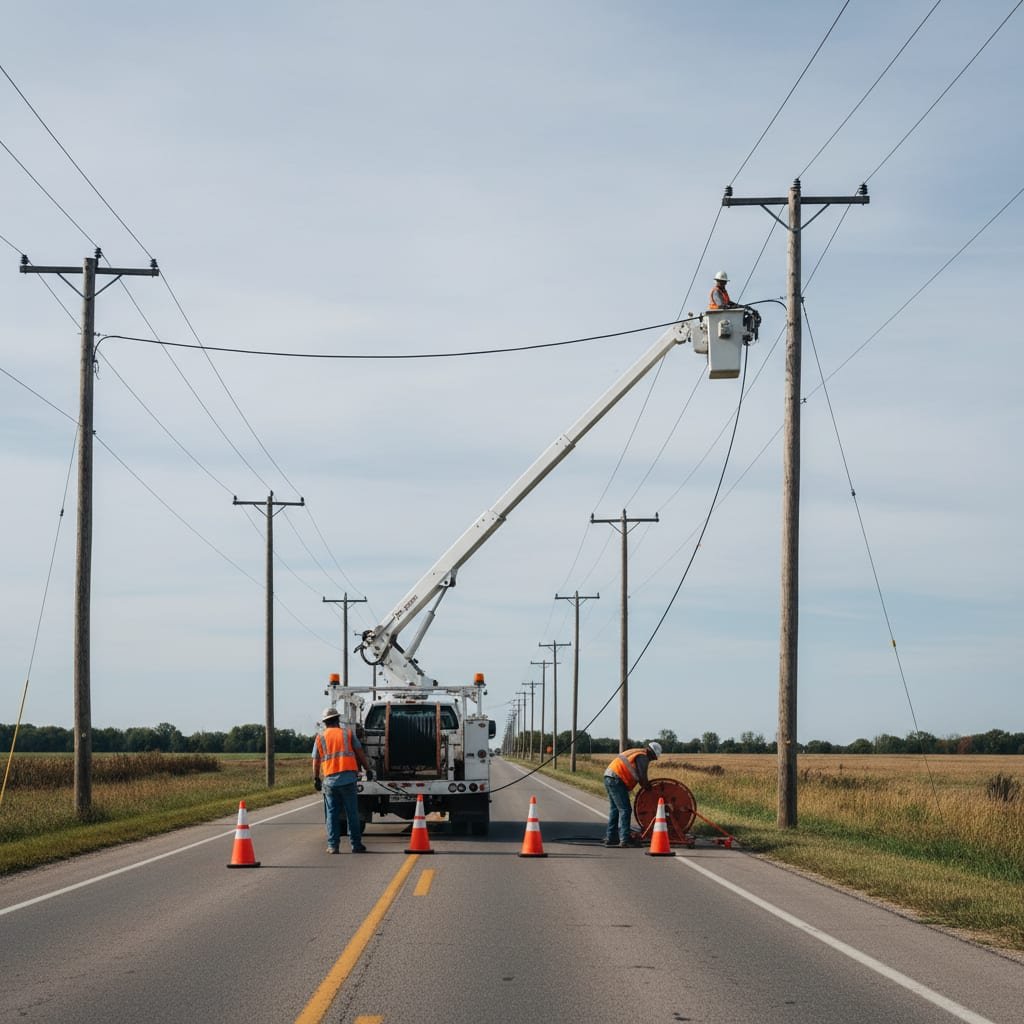
Michigan, Hawaii, Virginia, and California are already moving into active construction. That's not a rumor. That's crews in the field. If you're in or near those states and you haven't reached out to the ISPs holding those contracts, that's the call you need to make this week.
The Bid Window Is Narrowing, Not Opening
Here's the framing that matters. A lot of telecom contractors are waiting for BEAD to "start." It started. The waiting-for-approval phase created a false sense that there's still time to get positioned. There isn't the same runway there was 18 months ago.
ISPs and subgrantees (the entities that receive state broadband money and hire contractors to build) are finalizing their vendor lists right now. Some already have. If you're not on a preferred vendor list in your operating geography, you're not in the queue. You're on the outside looking at a job that's already spoken for.
I've seen this play out with rural electric co-ops and mid-size ISPs. They didn't run open RFPs. They called three or four contractors they already knew, checked references, and signed. The contractor who showed up in month four asking about work got a polite email saying the project was staffed.
What to Do With This Information Before September Ends
You've got a short window before Q4 planning locks in at most ISPs. Here's where to focus:
- Map your state's subgrantees. Your state broadband office published the list when the plan was approved. Find the ISPs or co-ops that hold the subgrants in your counties. That's your target list.
- Call, don't email. A phone call to an ISP construction manager lands differently than a contact form. You want a conversation, not a folder in their inbox.
- Know your capacity number before you pick up the phone. ISPs want to know how many crews you can put in the field, what type of work (aerial, underground, drop), and your footprint. Have those numbers ready.
- Get your paperwork current. COIs, prevailing wage certifications, bonding, state contractor licenses. BEAD-funded projects will require these. Don't let admin be the reason you lose a job you're qualified to run.
The States Already Moving Are Your Best Signal
Michigan, Hawaii, Virginia, and California moving into construction tells you the timeline is real. Watch those states if you operate there. Watch what ISPs are announcing contracts. Watch where crews are being hired. That activity is the leading indicator for your state's timeline.
States that approved plans earlier are further along. States that approved later, like Illinois, are still in early subgrantee selection. That's where the positioning window is widest right now.
This is a multi-year build. But the contractors locking in relationships now are the ones who'll have consistent work through 2028 and beyond. The ones waiting for certainty will get scraps.
If you want a weekly read on where BEAD is moving and what it means for your business, subscribe to The Splice below.
The contractors who get BEAD work aren't the ones who build the best, they're the ones who showed up to the relationship first.
Get BEAD updates before the trade press writes them up.
The Splice decodes federal funding intel for crews and ops, not policy folks. Action items, not summaries. One five-minute read a week. Free.
Get this coverage first in Google