A new ISP went live September 2, 2026. It's backed by $1.6 billion in credit and it's building across 20 states. If you're a telecom contractor working rural and regional markets, this is a name you need on your prospect list now.
What Just Happened and Why It Touches Your Crews
Grain Management, a private equity firm focused on digital infrastructure, merged Ritter Communications and Great Plains Communications into a single entity called Rightfiber. The deal closed September 2. It was announced back in June.
The combined company now serves more than 400 communities across 20 states. It runs a 28,000-mile fiber network with over 300,000 fiber-to-the-home passings already in place. Heath Simpson is the CEO. His quote from the announcement: "Our next chapter is well underway."
That's not marketing noise. A $1.6 billion credit facility led by Fifth Third Bank backs that statement. That money is earmarked for organic growth and additional acquisitions. Organic growth means new fiber. New fiber means construction contracts.
The Call You Have to Make This Week
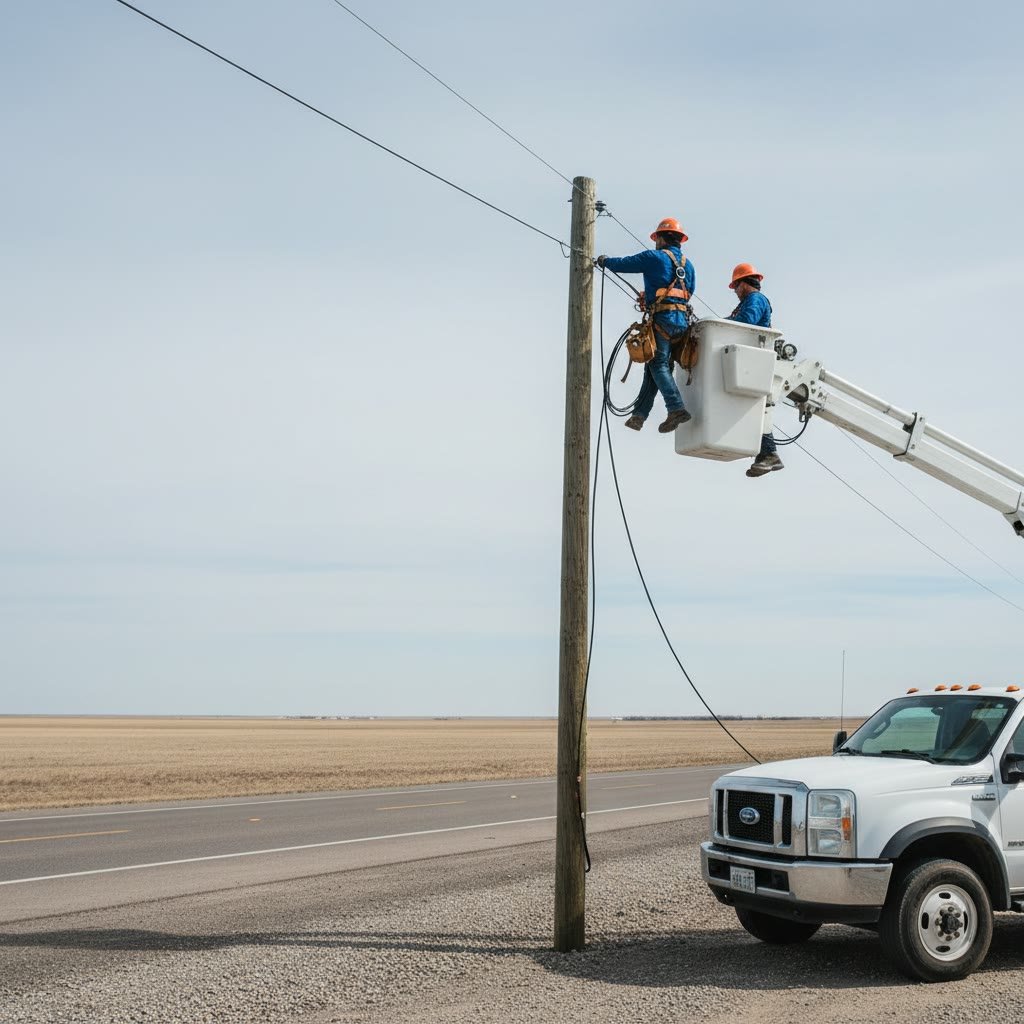
Rightfiber isn't one of the big three nationals. It's a regional platform, which means it relies heavily on local and regional telecom contractors for construction and drop installs. That's your lane.
Here's the question on your desk: are you already in conversations with the construction or network deployment teams at Ritter and Great Plains before they fully consolidate vendor relationships under the Rightfiber brand?
If you've worked with either carrier before, your contact may have changed titles or reporting lines. Call them now, not in Q1. Vendor lists get locked during integration. Systems integration is still in process, according to Simpson. That window is open. It won't stay open.
If you haven't worked with either, Rightfiber's 20-state footprint means there's likely overlap with markets where you already operate. That's your entry point.
What the $1.6B Credit Facility Actually Signals for Construction Volume
A credit facility this size isn't drawn all at once. It funds a multi-year build. That means this isn't a single contract opportunity. It's a relationship worth building over two to four years if you get positioned early.
Rightfiber also serves hyperscalers and carriers in addition to residential customers. That's not just drop installs. That's backbone work, commercial builds, and potentially larger aerial and underground scopes.
From a working capital standpoint, know this: newly merged ISPs often run slower on AP during integration. Invoice terms can stretch. If you land work with Rightfiber in the next 12 months, price your DSO assumption conservatively. Budget for 45 to 60 days, not 30. Have a line of credit in place before you need it.
The States Where You Should Be Looking
Ritter Communications was based in Arkansas and operated across the mid-South. Great Plains Communications operated in Nebraska and surrounding plains states. Together, the 20-state footprint likely covers a swath of the middle of the country where BEAD funding is also moving through state offices right now.
If you're already positioned in states like Arkansas, Nebraska, Kansas, or Iowa with BEAD-adjacent pipeline, Rightfiber's build-out could stack on top of that work. Two separate revenue sources, same geographic footprint.
One More Thing to Watch
Grain Management is a private equity firm. PE-backed platforms grow through acquisition. Simpson's statement referenced "potential M&A" as a use of the $1.6 billion facility. More acquisitions mean more carrier integrations, more network gaps to fill, and more construction demand across new territories. Watch the Rightfiber.com news page. When the next deal closes, you want to be already on their approved vendor list.
If you want a weekly read on deals like this and what they mean for your pipeline, subscribe to The Splice below.
The contractors who get positioned before the vendor list closes are the ones who call during integration, not after.
Get BEAD updates before the trade press writes them up.
The Splice decodes federal funding intel for crews and ops, not policy folks. Action items, not summaries. One five-minute read a week. Free.
Get this coverage first in Google