Maverix Broadband is in receivership. Colorado just froze $103 million in BEAD funds tied to 10,232 rural locations. If you run crews in Colorado or bid BEAD work anywhere, this week's news has a direct read on your pipeline.
What Happened and Why It Matters to Your Workload
BEAD (Broadband Equity, Access, and Deployment) is the $42.5 billion federal program funneling money through state offices to get fiber to unserved rural areas. Colorado's version is run by the Colorado Broadband Office (CBO).
In late May, the CBO received two whistleblower complaints about Maverix Broadband. The complaints triggered enhanced oversight, a payment freeze, and a full inquiry. What investigators found: payments for services and materials never received, plus unpaid vendors sitting on the books.
The CBO moved to terminate six grants and rescind the $103,018,133 provisional BEAD award Maverix had received for fiber to rural Colorado. Maverix went into receivership before a formal cancellation landed. The CBO is now chasing $2.5 million in federal Capital Projects Fund dollars and $700,000 in state High-Cost Support Mechanism funds through bankruptcy proceedings. The U.S. Department of the Treasury's Office of the Inspector General and the Colorado Bureau of Investigation are both involved.
CBO Executive Director Sarah Tuneberg put it plainly: the safeguards worked, but rural Coloradans are going to wait longer for broadband while the state finds a new vendor.
The Rebid Is the Opening. Here's the Call You Have to Make.
The CBO has confirmed it will reopen those 10,232 locations through a competitive rebid process. That means a fresh award cycle for a project that was already approved, scoped, and funded at the state level. The timeline for that rebid isn't published yet.
Here's the question on your desk this week: are you positioned to work for whoever wins that rebid, or are you positioned to understand the rebid well enough to support an ISP partner who wants to go after it?
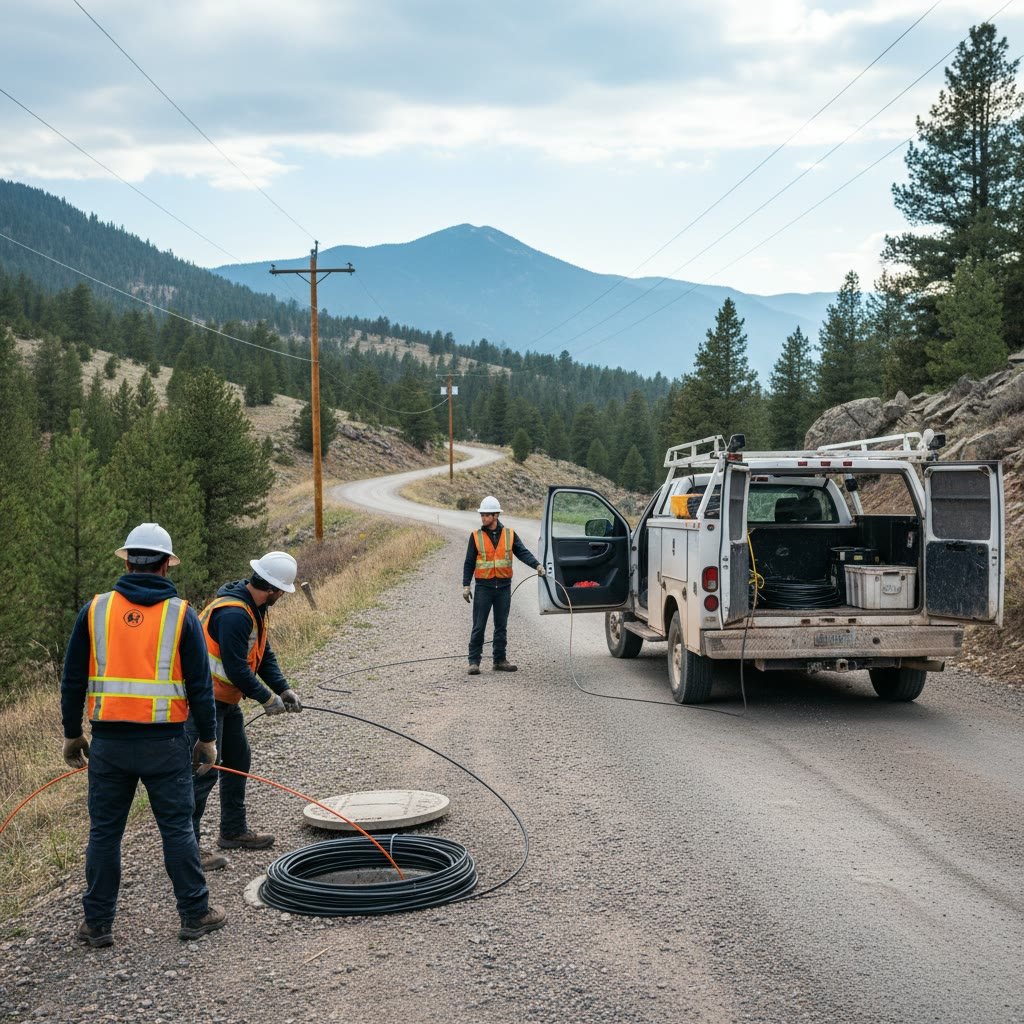
Most telecom contractors I work with aren't bidding BEAD awards directly. That's not how the structure works. State offices award to ISPs (subgrantees), and ISPs hire telecom contractors to build the network. But if you're in Colorado or adjacent markets, the ISPs circling this rebid are going to need proven crews fast. Rural fiber builds on terrain like this don't run themselves.
Two things to do right now:
- Identify which ISPs are already active in rural Colorado BEAD territory. Look at the CBO's published award list. Those companies know the state's compliance requirements. They're the ones most likely to rebid or expand scope.
- Get your prequalification documents current. COI, bonding capacity, crew certifications, past project references. When a rebid window opens, it moves fast. Contractors who wait until the RFP drops to update their paperwork miss the conversation that happens before the RFP drops.
The Vendor Payment Problem Is a Warning for Every BEAD Market
The CBO found that Maverix paid for services and materials it never received and left other vendors unpaid. That's a working capital collapse pattern. If you've ever had a GC or ISP client slow-pay you for 60 or 90 days, you already know what the early stages look like.
BEAD work runs on reimbursement cycles. The ISP builds, submits documentation, and gets paid by the state. That lag can stretch DSO (days sales outstanding, meaning how long your invoices sit before cash hits your account) to 60 days or more. If your ISP client is also struggling to manage cash between draw requests, you're the last one paid.
One thing I've seen work: get the payment schedule in writing before you mobilize. Tie your invoice cadence to the ISP's draw request calendar, not to their goodwill. If they're submitting to the state on the 15th, your invoice should be in their hands on the 10th.
What Colorado's Move Signals for Other State BEAD Programs
Colorado acted on whistleblower complaints and froze funds before any BEAD dollars were actually disbursed to Maverix. That's the oversight mechanism working. But it also means 10,232 locations are back in limbo, and that delay is real for the communities waiting and for the contractors who had started planning around that work.
Other state broadband offices are watching this. Expect tighter documentation requirements, more frequent site verification, and closer vendor scrutiny in future award cycles. That's not bad news for telecom contractors who run clean books and tight project reporting. It's a filter that cuts out the operators who can't prove their work.
The contractors who survive BEAD aren't the ones who win the most bids. They're the ones who can prove every foot they buried.
Get the full breakdown and more BEAD contractor intel every week in The Splice. Subscribe below.
Get BEAD updates before the trade press writes them up.
The Splice decodes federal funding intel for crews and ops, not policy folks. Action items, not summaries. One five-minute read a week. Free.
Get this coverage first in Google