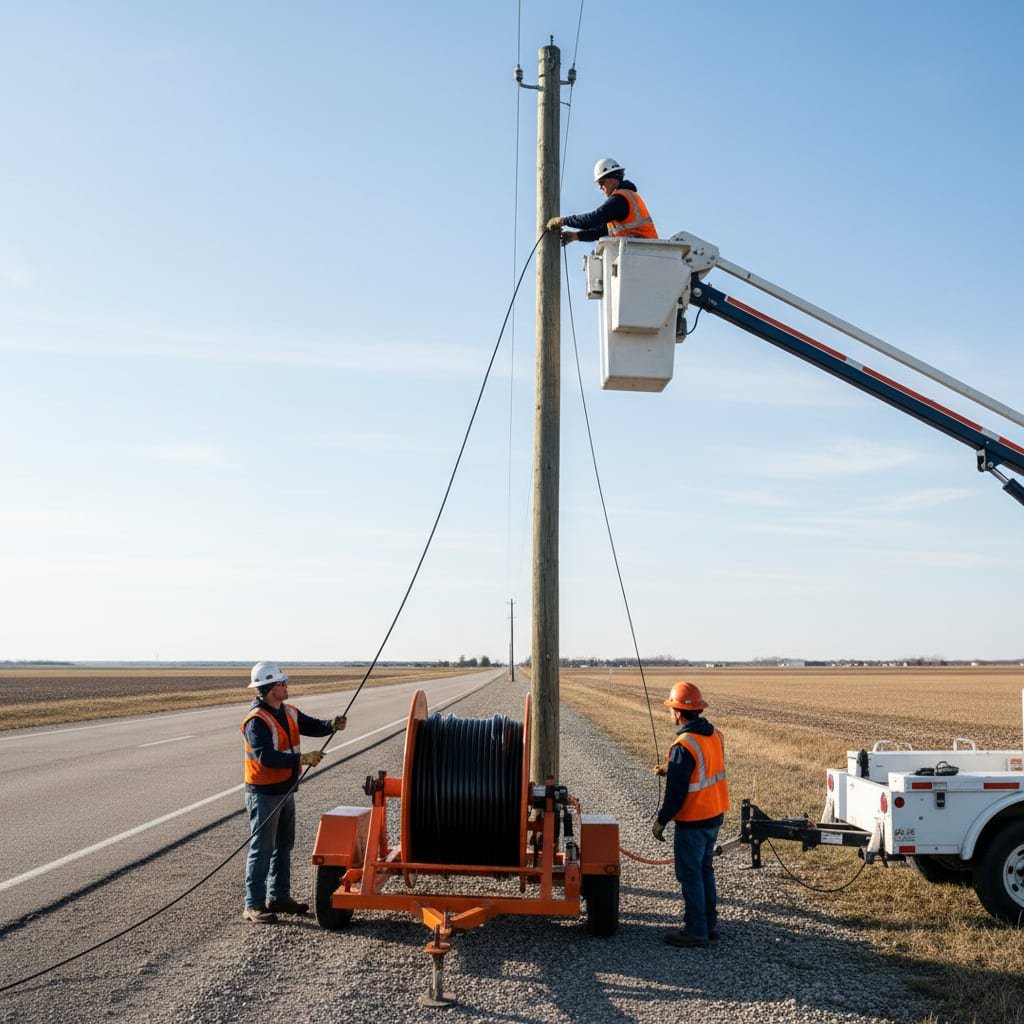
As of August 31, 2026, every state's final BEAD proposal has been approved. That's the finish line for the planning phase. It's also the starting gun for the work phase, and if you're a telecom contractor who's been waiting on the sidelines, the clock just started.
What Approval Actually Means for Your Pipeline
BEAD, the Broadband Equity, Access, and Deployment program, is a $42.45 billion federal program administered through the NTIA, the National Telecommunications and Information Administration. States applied for funds, built their plans, and submitted final proposals for federal sign-off. That sign-off is now done.
What comes next is procurement. States and their subgrantees, the ISPs and utilities that received BEAD awards, now have to build the networks they promised. That means construction contracts. That means crews. That means you.
The question on your desk this week isn't whether BEAD money is real. It is. The question is whether your company is positioned to capture any of it before the first wave of contracts gets awarded.
The Window You're Actually In Right Now
Subgrantees are under build timelines. The NTIA set performance milestones tied to funding draws. An ISP that won a BEAD award can't sit on the money. They have to show progress. That pressure flows directly to their contractor relationships.
Right now, between approval and full contract execution, is the best time to get in front of ISP project managers. Not after they've signed with someone else. Now.
Here's what that looks like in practice. You call the construction or engineering lead at a regional ISP operating in your state. You don't pitch. You ask one question: what does your build schedule look like for the next 18 months, and where are you short on capacity? That's it. That question alone puts you in a different conversation than every other contractor sending capability statements into a void.
What You Need Ready Before That Call
If you get a real conversation, they'll want to know three things fast.
- How many crews can you put in the field, and in what geography?
- What's your safety record?
- Can you handle lien waivers, certified payroll, and prevailing wage documentation if the project requires it?
That third one stops a lot of contractors cold. BEAD projects that involve federal dollars and certain state matching funds may carry Davis-Bacon prevailing wage requirements. If you've never run certified payroll before, this is the week to figure out whether your back office can handle it. A 12-crew aerial contractor we work with in the Southeast spent three weeks last year untangling payroll records because they didn't set up the reporting structure before the job started. Don't let that be your September story.
States Moving Fast Will Squeeze the Contractor Market
Not every state will move at the same speed. Some had cleaner proposals and less political friction. Others have been running hot since early 2026. If you're in a state that's been slow, you may have a few more months before construction contracts start flying. If you're in a state that's been aggressive, deals could be inked by Q4 2026.
Watch your state's broadband office. Most publish subgrantee lists and award maps. That list tells you exactly which ISPs in your geography just got money and need to build.
The One Thing That Changes Everything
Contractors who get BEAD work won't be the ones who waited for an RFP to show up in their inbox. They'll be the ones who had a relationship with the ISP before the ink was dry on the proposal approval.
You've got a narrow window right now. Use it.
We break down contractor positioning, prevailing wage prep, and subgrantee outreach every week in The Splice. If someone forwarded this to you, subscribe below.
The contractors who win BEAD work built the relationship before the contract existed.
Get BEAD updates before the trade press writes them up.
The Splice decodes federal funding intel for crews and ops, not policy folks. Action items, not summaries. One five-minute read a week. Free.
Get this coverage first in Google